Hello Everyone, Do you know Holi is one of the most joyful and popular festivals in India. This festival is celebrated every year with the arrival of spring season. With the splash of colors all around, laughter, singing and dancing, Holi is truly called the “Festival of Colors”. But many people wonder – why is Holi called the Festival of Colors? There is a beautiful combination of tradition, history and religious stories behind it.
Why is Holi called the Festival of Colors?
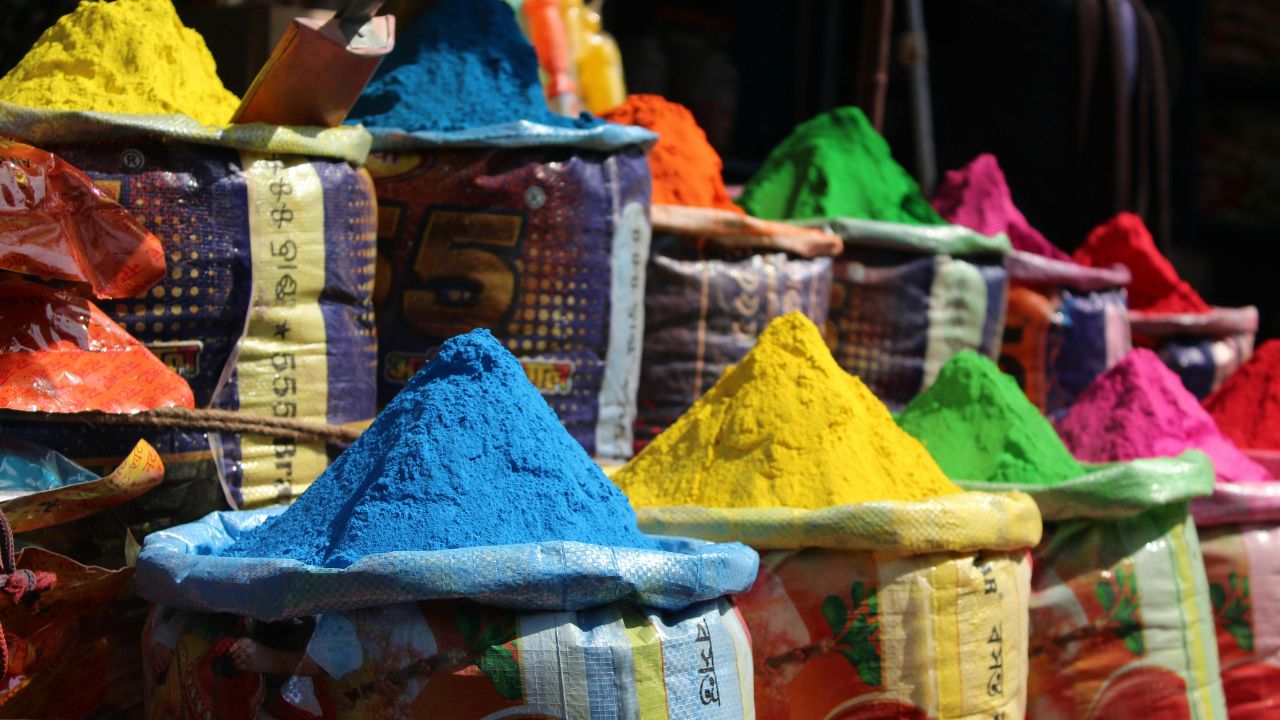
The main attraction of Holi is playing with colors. On this day, people paint each other with different colors – such as Abir, Gulal and colored water. Colors symbolize joy, love and friendship here. Young and old, rich and poor – everyone gets involved in colors together, which reduces differences in society and brings people together. This is why Holi is called the “Festival of Colors”.
Religious stories and color relationship
Holi is associated with the story of devotees Prahlad and Holika. It is said that the demon king Hiranyakashipu wanted to stop his son Prahlad from worshiping Lord Vishnu. But Prahlad did not give up his devotion. Then Hiranyakashipu tried to burn Prahlad in fire with his sister Holika.
But by the grace of God, Prahlad was saved and Holika was burnt. In memory of this incident, Holika is burnt, which symbolizes the destruction of evil forces and the victory of good forces.
The next day, people rejoice with colors, which are seen as a symbol of celebrating the victory of good forces. Therefore, this joy and victory are expressed through colors.
Krishna and the tradition of colors
Another popular story of playing colors on Holi is associated with Krishna and Radha. It is said that Krishna used to have fun by applying colors to Radha’s body when she was a child. From then on, the tradition of playing with colors started in the Vrindavan region and gradually spread throughout India. This story has made Holi more joyful and colorful.
Spring season and the joy of colors
Holi is usually celebrated at the beginning of the spring season. At this time, new flowers bloom in nature, a feast of colors can be seen all around. In line with this colorful beauty of nature, people also celebrate joy with colors. Therefore, Holi is not only a religious festival, it is a symbol of a new beginning of nature and life.
Social and cultural importance
Holi brings people together and strengthens relationships. On this day, everyone forgets old differences and greets each other by applying colors. Brotherhood, love and unity increase in the society. Apart from this, the festival becomes more joyful with songs, dances and special foods in different places.
Conclusion
To sum up, Holi is called the “festival of colors” because colors are the soul of this festival. Through colors, people spread the message of joy, love and unity. Holi, a fusion of religious stories, traditions, and the beauty of nature, has become one of the most colorful and joyful festivals in the world today.
This festival teaches us that the more colors there are in life, the more beautiful and joyful life will be.
If you enjoyed reading these stories and learning about them, don’t forget to share this post with your friends and family. Stay connected for more interesting and exciting stories coming soon. Thank you for reading!